

Head of Laboratory
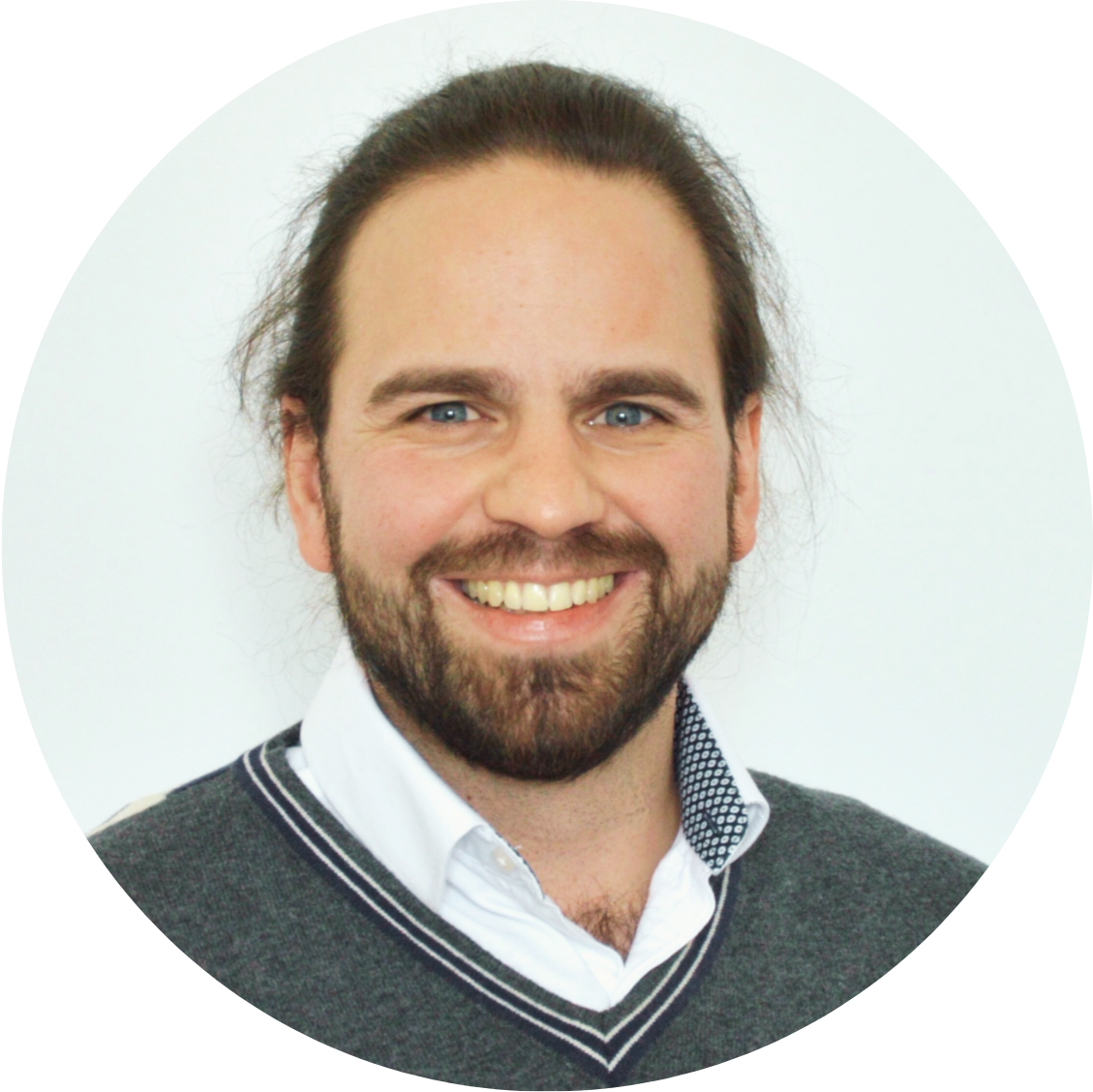
Tomasz Wypych is the Head of the Host-Microbiota Laboratory and an Associate Professor at the Nencki Institute of Experimental Biology. He received his MSc (with distinction) from the University of Amsterdam (Netherlands) in 2011 and his PhD (with distinction) in 2016 from the University of Bern (Switzerland). His doctoral research was conducted at the Institute for Research in Biomedicine in Bellinzona (Switzerland) under the supervision of Prof. Federica Sallusto and focused on the role of B lymphocytes as antigen-presenting cells in asthma. Following graduation, he pursued postdoctoral training at Lausanne University Hospital (Switzerland) and Monash University (Melbourne, Australia), where he studied the interactions between host cells and the microbiota in shaping susceptibility to asthma. His current research explores the diverse ways in which the microbiota influences immunity.
p.rodriguez-viso@nencki.edu.pl
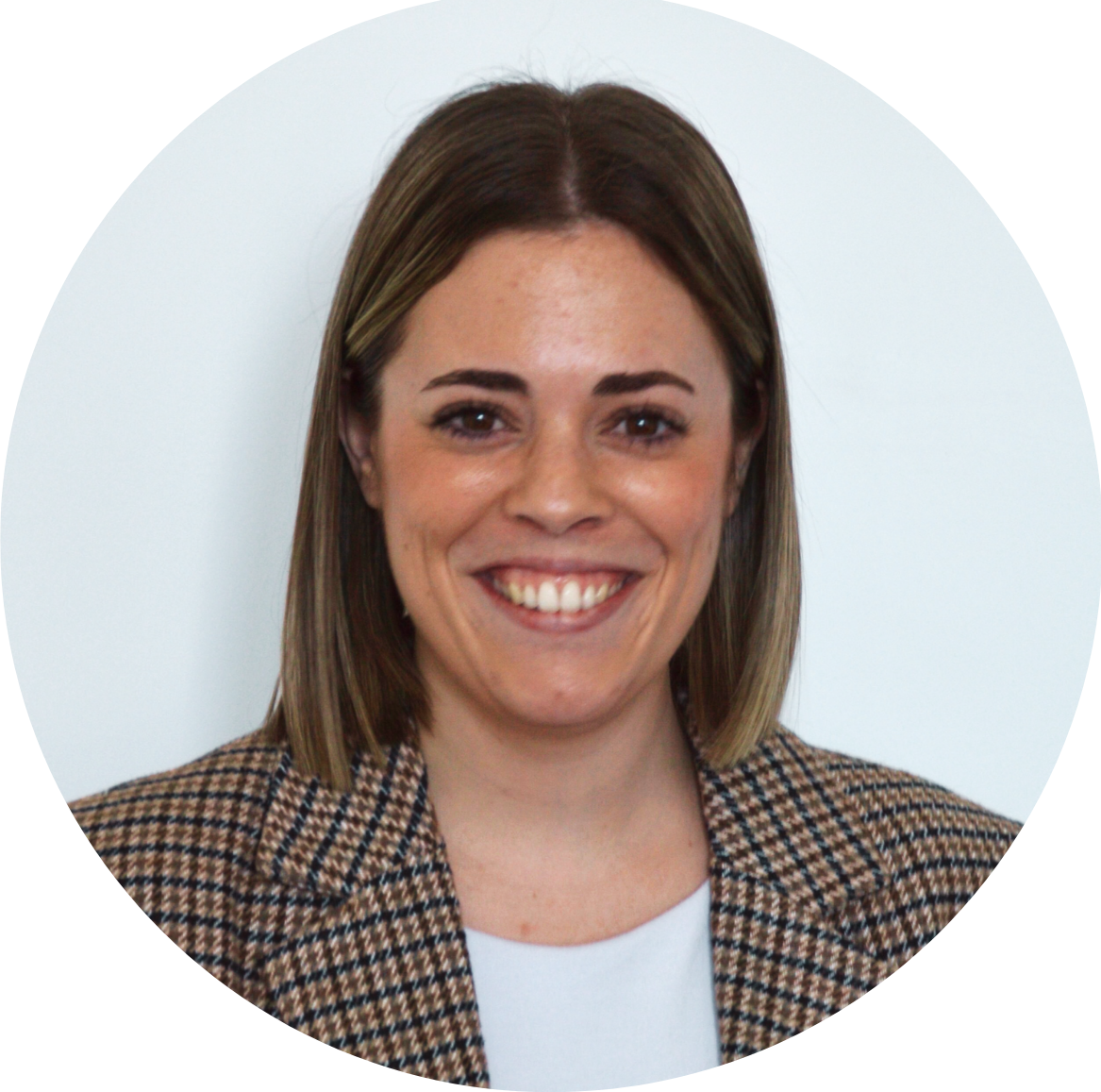
Pilar Rodríguez Viso is an experienced postdoctoral researcher at the Nencki Institute of Experimental Biology, specializing in the interactions between microbiota and human diseases. During her career, she has gained practical knowledge in cell culture techniques and experiments with animal models, investigating the immunomodulatory properties of metabolites derived from microbiota. Pilar focuses in particular on research on mercury toxicity and the search for therapeutic strategies that aim to mitigate its negative effects on the digestive system. In her research, Pilar also deals with the creation of cellular models that allow for a better understanding of the mechanisms of action of toxic substances and their impact on human health. Her publications in renowned scientific journals contribute to expanding knowledge on the role of microbiota in the context of health and diseases, making her a valuable member of the research team.
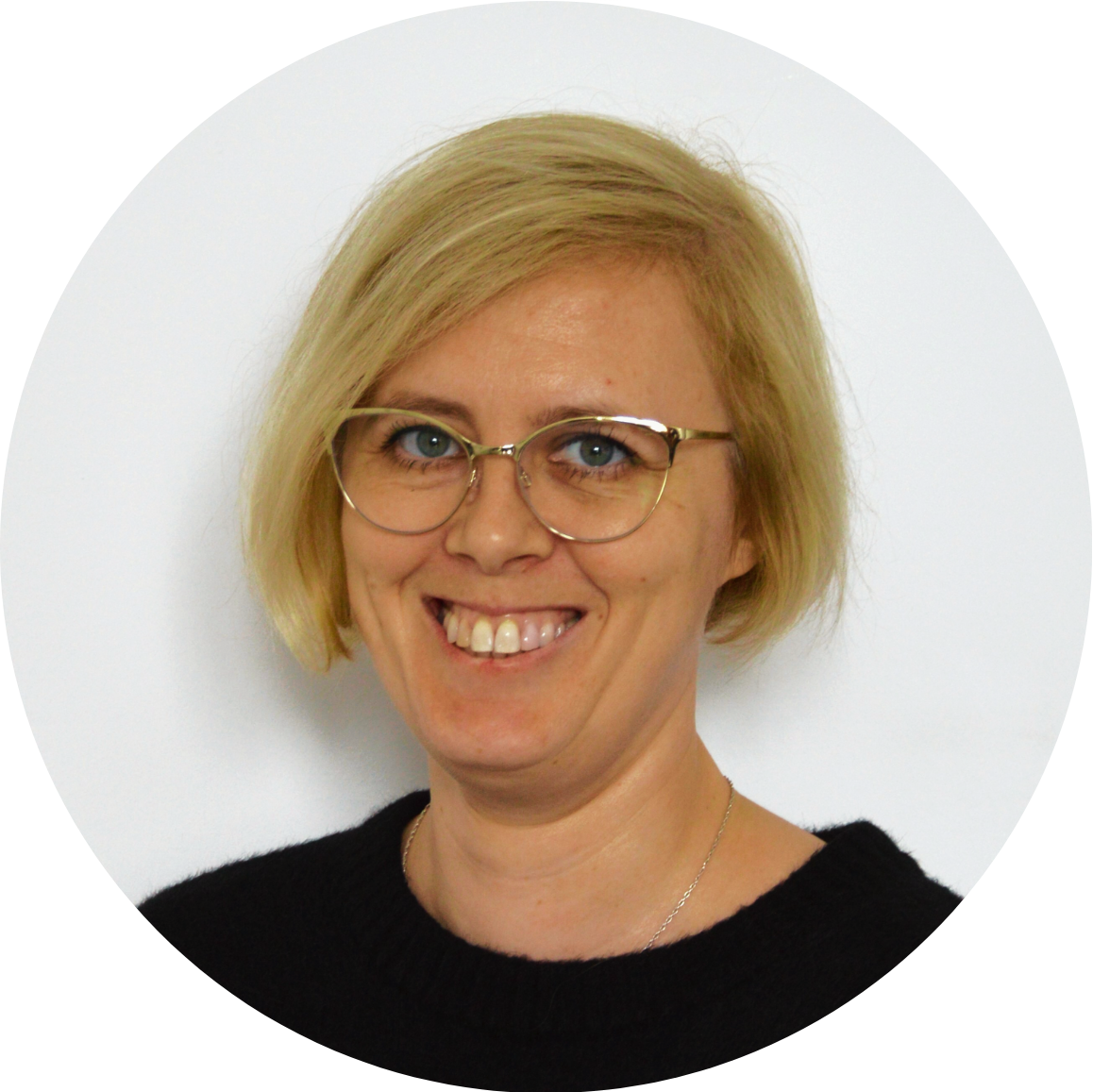
Anna Świątkowska studied biotechnology at the Medical University of Bydgoszcz and the University of Warsaw, then obtained her education in biochemistry and cell biology, and her PhD at the Nencki Institute of Experimental Biology. After a short stint in the world of nanoparticles with Nanothea Radiopharmaceuticals, she returned to the Nencki Institute as a post-doc to participate in a project on protein palmitoylation and signaling lipid's turnover. When she completed this challenge she joined the Host - Microbiota Interactions Lab from it's very beginnings. For entertainment, she enjoys reading romances and crime novels, and watching anime recommended by her teenage daughter.
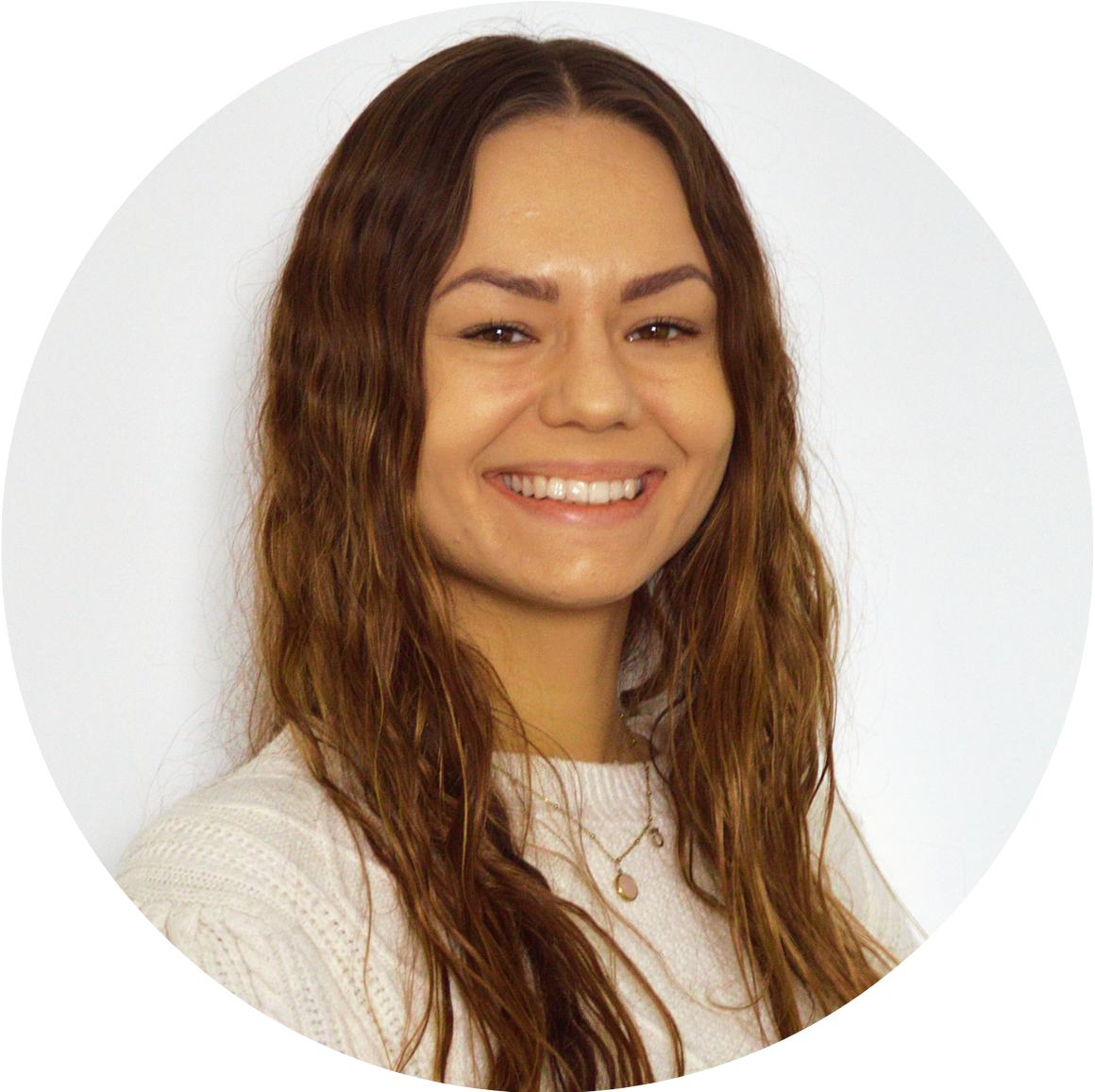
Edyta completed her bachelor's studies in the Cracow University of Technology and her master studies in the Warsaw University of Technology in Biotechnology. Then she joined Nencki Institute as a PhD student. Her research focused on understanding the intricate relationship between microbiota and brain autoimmunology disorders. She has extensive experience in confocal microscopy and flow cytometry, with a strong focus on applying these techniques in brain research settings. Besides science, she likes to spend her free time hiking, traveling and yoga.
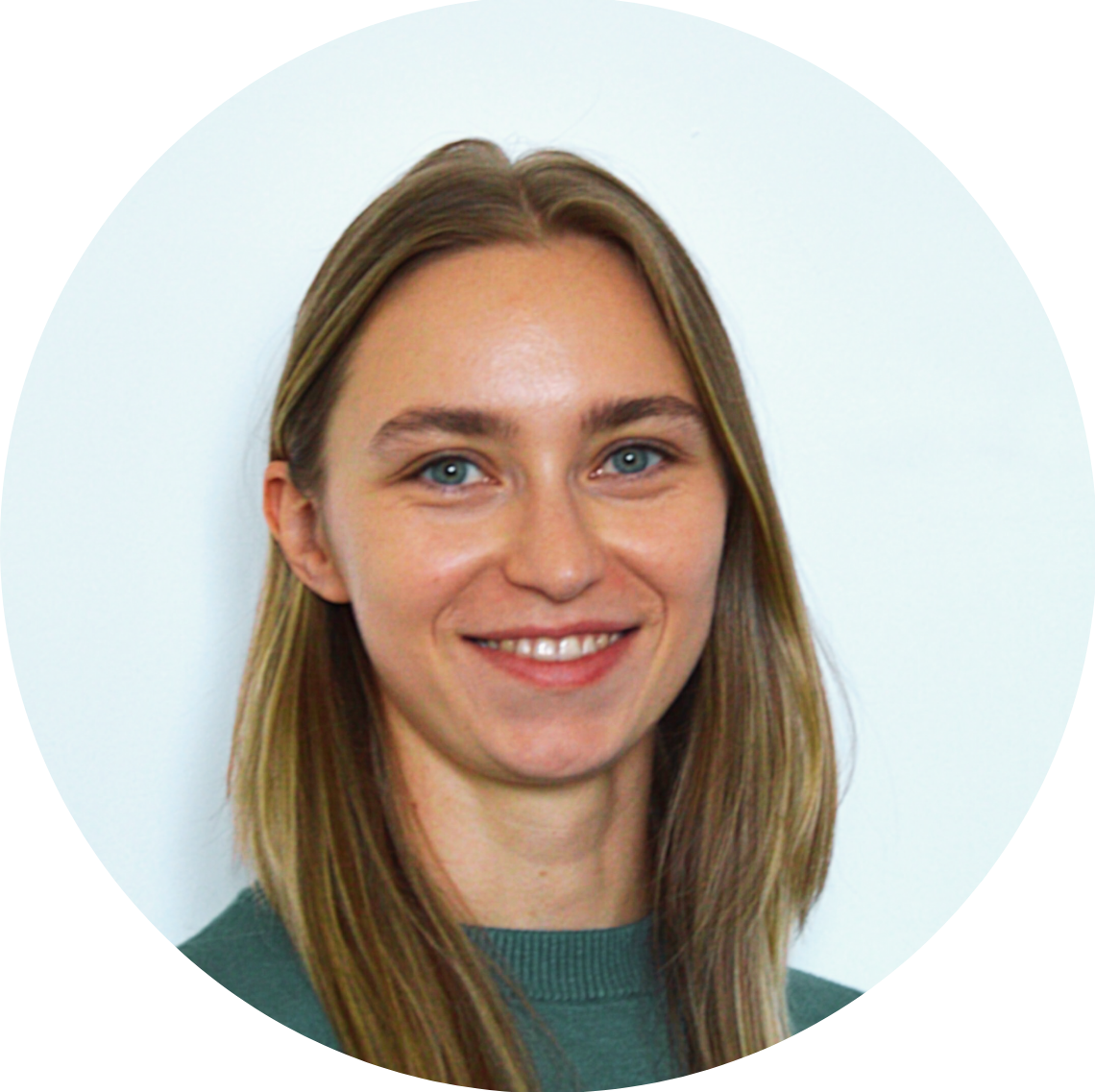
Agata Jabłońska is a promising young scientist whose interests focus on food microbiology and research on gut microbiota. As part of her research at the Institute of Human Nutrition Sciences of the Warsaw University of Life Sciences, Agata focuses on identifying and thoroughly studying the properties of selected strains of bacteria that may have potential probiotic applications. Her work focuses on understanding how gut microbiota affects the functioning of the human body, which is an important direction for her future scientific career. Agata is a co-author of an article published in the scientific journal „FOOD. Science. Technology, Quality", which concerns the usefulness of fermented kombucha tea in the production of low-alcohol beverages. Additionally, she actively participates in various scientific conferences, where she has the opportunity to present the results of her research and establish new contacts in the academic community.
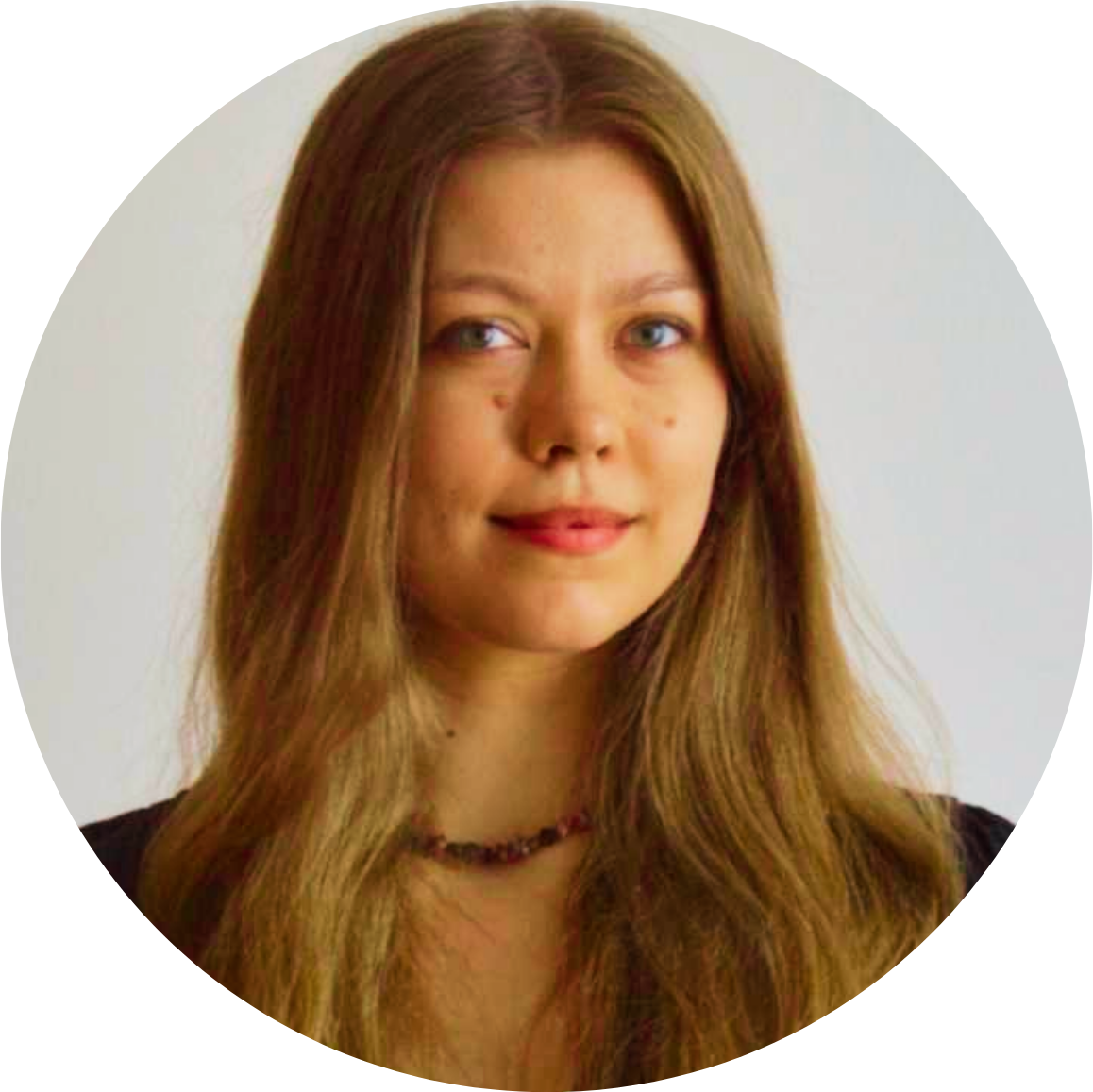
Magdalena Wolska is a PhD student at the renowned Nencki Institute of Experimental Biology, where she conducts advanced research on metabolites derived from the intestinal microbiota and their impact on the immune system. As part of her research, Magdalena participates in national and international projects aimed at developing innovative therapeutic strategies in the treatment of acute respiratory distress syndrome. Her work is extremely important in the context of searching for new treatments that can improve the quality of life of patients. Magdalena is the author and co-author of numerous scientific publications, including articles on the impact of premature birth on the development of lung diseases and the interactions between microbiota metabolites and the immune system. Her commitment to research and the ability to effectively communicate results at scientific conferences make her recognized as a valuable member of her academic community.
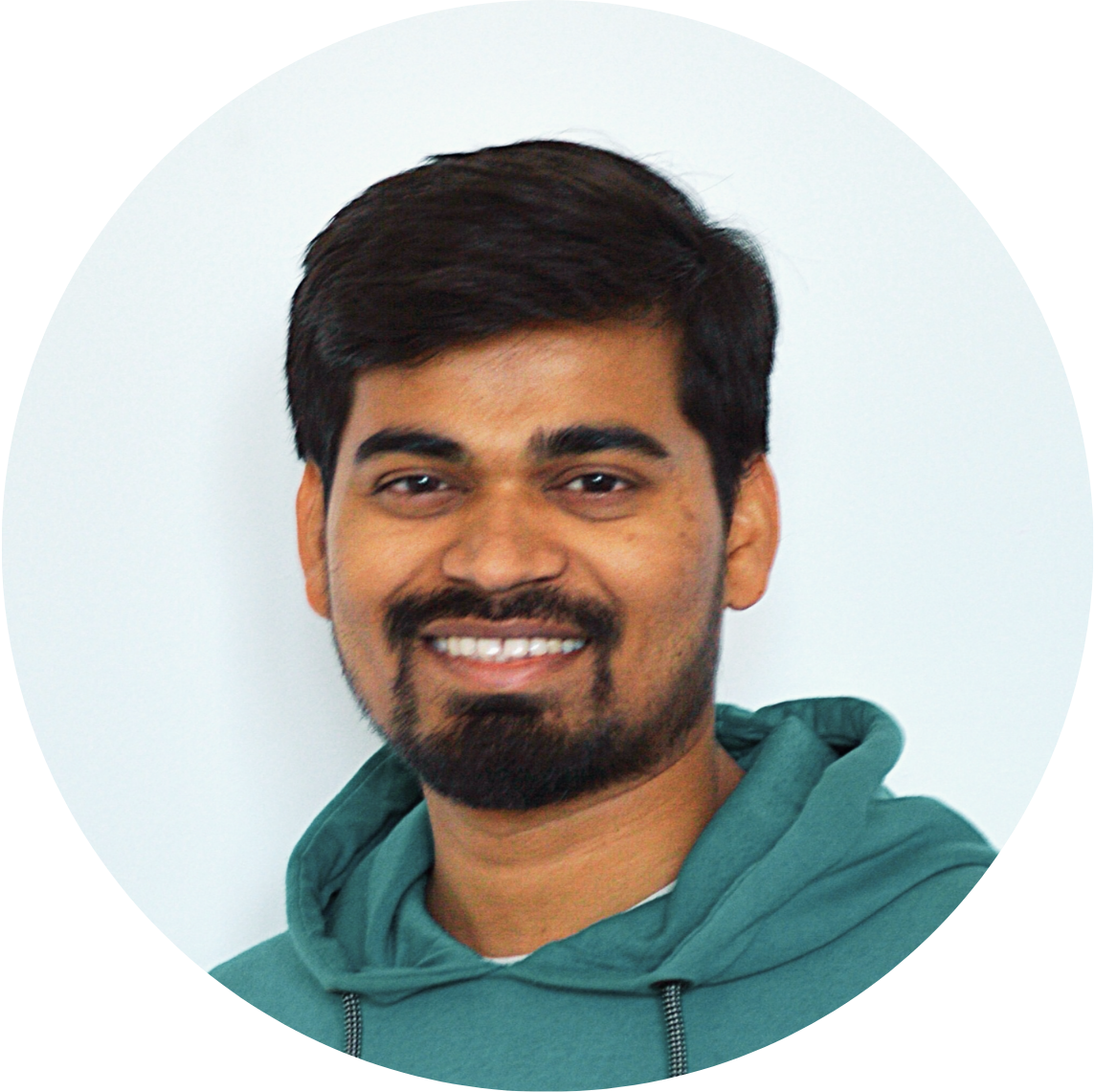
Ajeet Kumar is a doctoral candidate at the Nencki Microbiome Lab, Nencki Institute of Experimental Biology, Warsaw, Poland. His research focus on microbiome-based strategies for alleviating asthma. He investigates how interactions between antibodies and the microbiota affect gut colonization and contribute to asthma improvement in animal models. He holds an MSc in Biotechnology from the Regional Centre for Biotechnology, India. During his master's thesis, he explored the role of temperature in drug tolerance and fungal pathogenesis. He has 1.5 years of research experience as a Project Associate following his master's studies. He brings strong experience in microbiology, animal experiments, and cellular biology techniques. He is highly passionate about decoding host-microbe interactions to develop novel therapeutic solutions for human diseases. He enjoys tutoring biotechnology modules to school students and has been awarded the Super Tutor Gold Medal by EdTech institutions for his efforts. Passionate about science communication, he actively participates in and volunteers at conferences, while also creating videos to explain complex scientific topics to the general public.
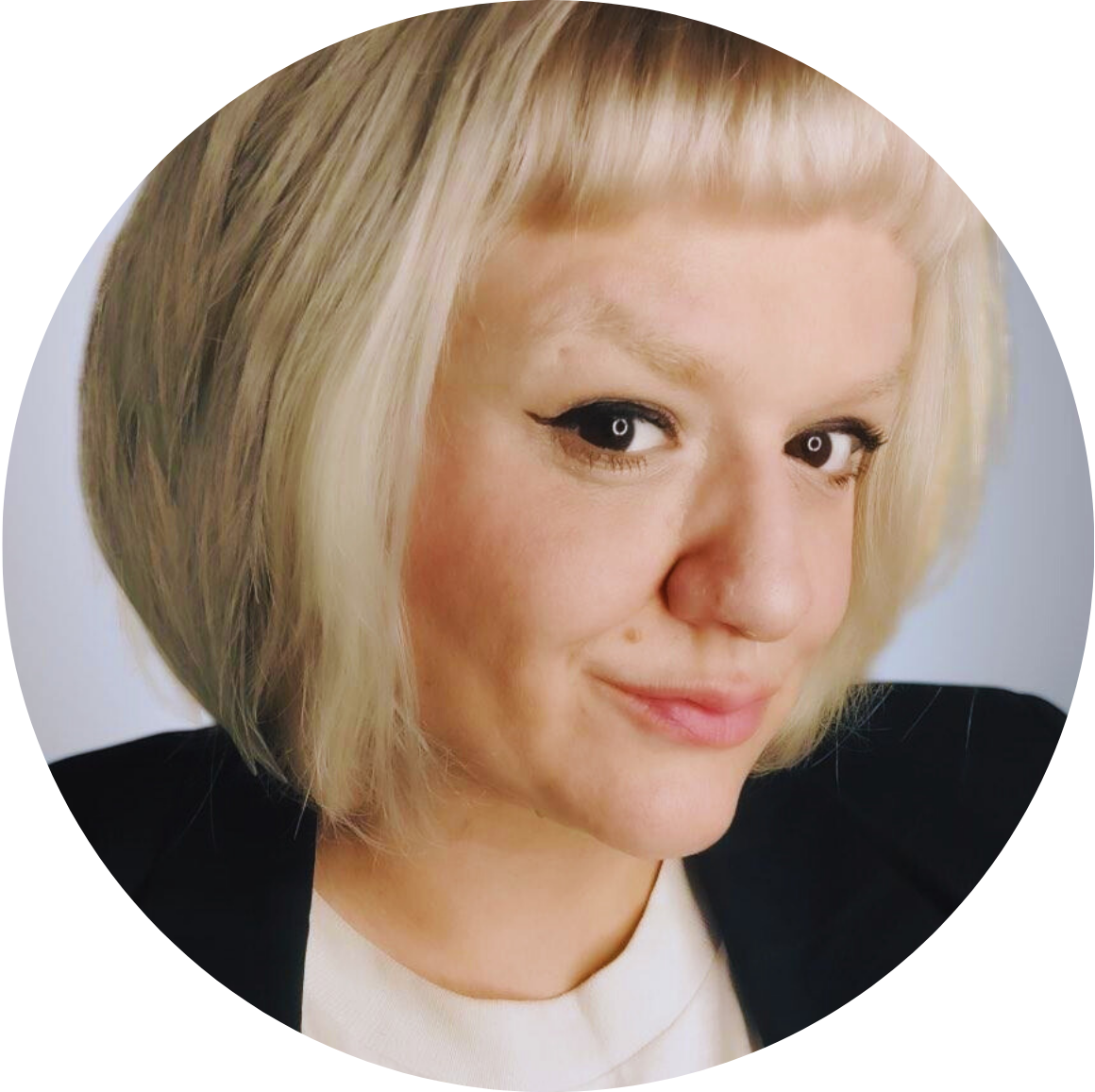
Malwina Iwańska is a Warsaw-based professional with over 13 years of experience in brand management, product marketing, and client relationship development. She holds a Master's degree in Philosophy from the University of Warsaw. Her career has centered on developing and executing strategic marketing and branding initiatives—from briefing analysis and project timing to cost estimation, content production, and international campaign coordination. She has organized numerous photo shoots, workshops, and castings, while managing teams and liaising with both Polish and international clients and agencies. Malwina is highly skilled in contract negotiation, crisis management, and building personal brands, including long-term career planning and public image strategy. She also has experience running social media channels and supervising administrative and accounting operations. With a blend of strategic thinking, creativity, diplomacy, and analytical insight, she excels at understanding client needs, solving problems, and motivating teams.
We always encourage students, interns, and postdocs to engage with the dynamic field of microbiome research.
This professional and stimulating environment allows you to gain hands-on experience, whether as a student, intern, or while writing your Bachelor's or Master's thesis.
Our goal is to provide practical laboratory experience and broad knowledge of host-microbiome interactions.
We welcome qualified and motivated students to engage in our research projects. If you aim to develop a future career as a postdoc, you are also welcome to contact us.
To apply, please send your CV, a statement of research interests, and a brief motivation for joining our laboratory.